GUIDES · RESEARCHED AND PRACTICAL
Speaking guides
Practical guides to the moments that matter most, such as interviews and meetings, and to the habits listeners notice first: fillers, pace, rambling and a flat voice. Each one sets out what the research found and where it stops, gives you one drill at a time, and comes with a free tool so you can measure yourself before and after.
What's here, and who it's for
These guides are for people who speak at work and in life and want to sound clearer: in a stand-up, an interview, a best man speech or a hard conversation. You don't need to be a performer, and you don't need to fix everything. Most people get further by changing one habit at a time.
Every guide opens with a short answer you can use straight away, then explains why the habit happens, how to measure yours, and a plan you can follow in five minutes a day. The comparisons look at other speaking and meeting-feedback apps, and say plainly where ours falls short.
Interviews and meetings
Answers and contributions you can practise before the day, with words you can borrow.
 YOUR OPENING ANSWERHow to answer “Tell me about yourself” (and say it well)A structure that fits in 90 seconds, five sample answers written to be spoken, and a way to hear yours before the interviewer does.
 GETTING YOUR POINT INHow to speak up in meetings, with words you can use tomorrowWhen to get in, what to say once you're in, and how to stop, for six moments that come up in almost every meeting.
 SAYING LESSHow to stop rambling: say it once, clearly, and stopWork out which kind of rambler you are, then practise the one fix that matches, out loud, until the short version comes first.
Voice skills
The building blocks that work in every situation, from a stand-up to a wedding speech.
 FILLER WORDSHow to stop saying “um”: a 7-day plan that swaps fillers for pausesCount your fillers, learn what they're doing for you, then spend five minutes a day for a week replacing them with something quieter: a pause.
 PACEHow to speak slower without sounding strangeYou don't need to drag every word. Measure your pace once, then slow down in the few places listeners need it most.
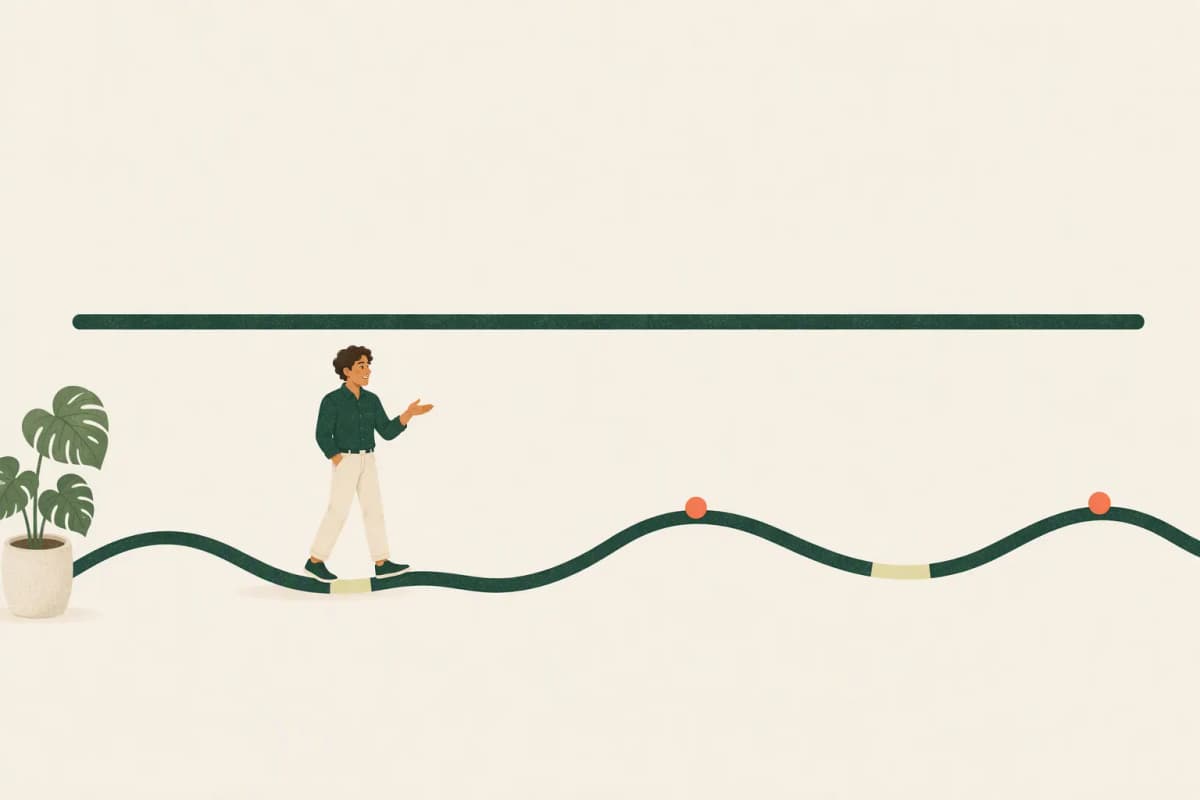 MELODY AND PUNCHMonotone voice? How to sound more engaging without sounding fakeWhat makes a voice sound flat, what the research on lively speech actually measured, and five exercises, in order, that add variety you can hear.
Comparisons
Fair looks at other speaking and meeting-feedback tools, with prices checked on each company's own site. All comparisons
 SPEAKING APPSThe best public speaking apps in 2026: an honest comparison (from one of them)What each app is for, what it measures, what it costs and who it doesn't suit, with every fact checked on the company's own site and dated.
 MEETING COACHESPoised alternatives: what to use now that Poised is shutting downWhat we know about the shutdown, what Poised did, and where to go for each of its two jobs: feedback on your calls and practice before them.
Measure it yourself
The guides point to these tools and quizzes, and they work on their own too. Your number is the starting point for every plan.
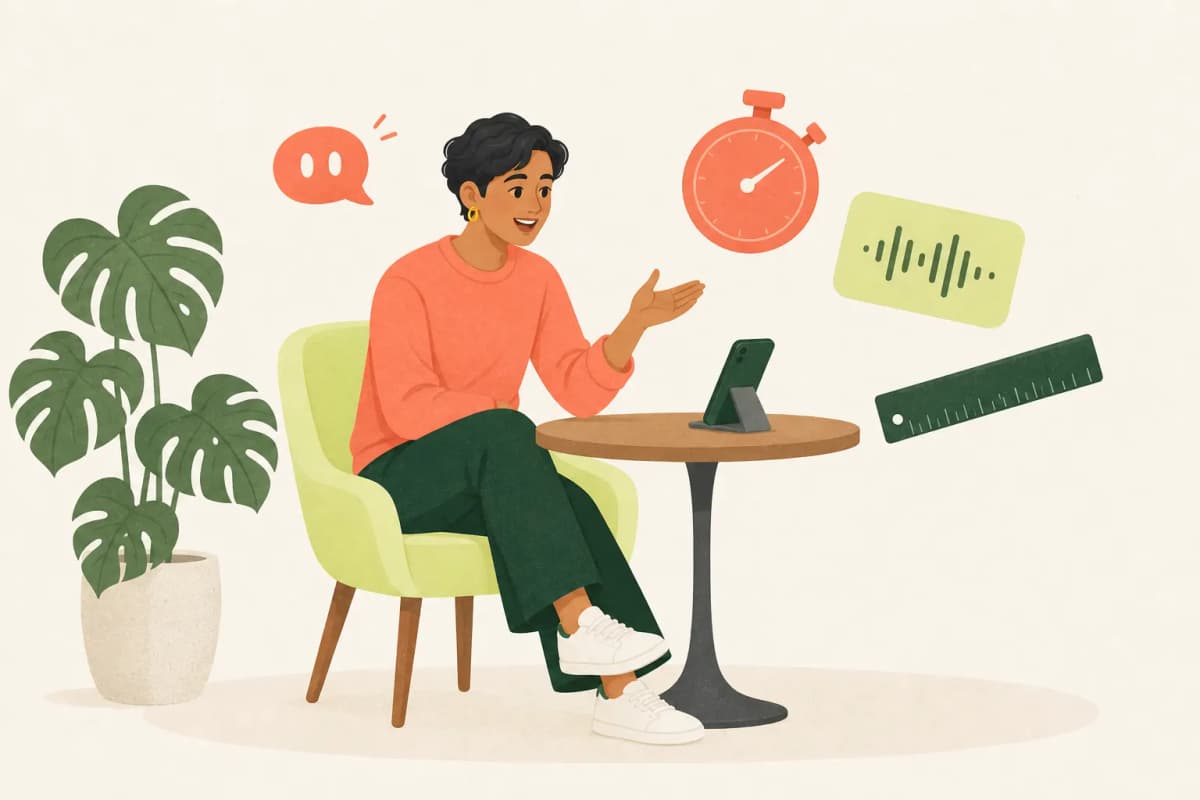
Free speaking tools
Get a number before you change anything. Each tool takes about a minute and needs no account.
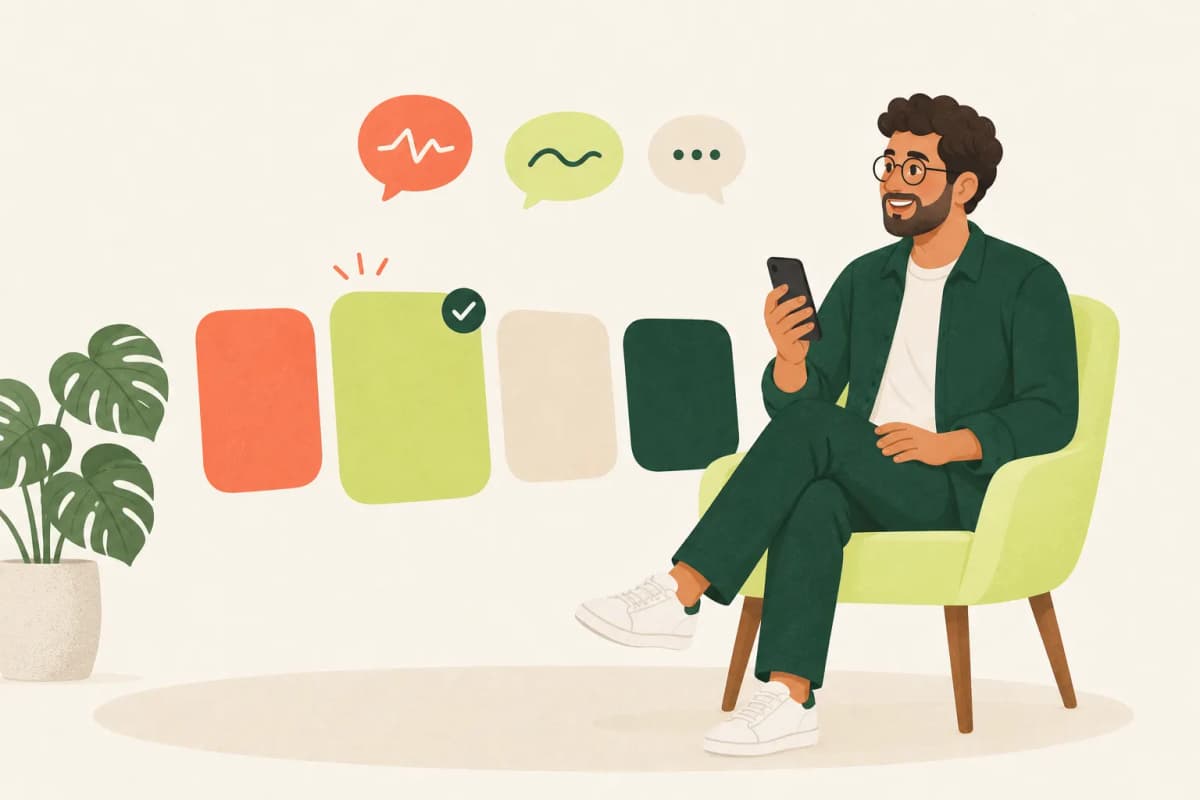
Speaking quizzes
Two minutes each. Find the habit listeners notice first, or get a clearer picture of your nerves.
Guides by moment
Getting ready for something specific? Each situation page has practice prompts, and links to the guides that help most there.

Speaking up in meetings
Updates, quick answers and pushback. Get in early, say the point once, then stop.

Presentations and talks
Pace, pauses and the last line people remember. Time your script before you rehearse it.

Interviews
Start with the first question they ask: tell me about yourself, in 90 seconds, said out loud.

Toasts and life moments
Wedding speeches, eulogies and hard conversations, where getting the length right matters.
What we're working on
More guides are on the way, on sounding confident and giving a wedding toast. Each will appear here once it has been researched and checked. Until then, the situation pages above cover those moments with practice prompts.
QUESTIONS
About the guides
Who writes the guides?
The SpeakConfident team. We build a speaking coach app, so each guide links the drills to the reps in the app that teach them. You don't need the app to use a guide: every drill works with your phone's voice recorder and the free tools.
How do you choose your sources?
We go to the research first: journal and conference papers, plus official pages such as Microsoft's support site when a guide mentions a product. Each source is listed with a note on what it shows, its limits and the date we opened it. If the evidence is thin, the guide says so.
Are the guides free?
Yes. Every guide, tool and quiz on the site is free to read and use, with no account. The free Voice Snapshot also works without signing up, if you want a coach to measure a minute of you talking.
Can a guide help with a stammer or severe anxiety?
Not on its own. The guides cover everyday habits like fillers and pace. If you stammer, a speech and language therapist is the right person to see. If fear of speaking affects your daily life, talk to a GP or a therapist.
How often are the guides updated?
Each guide shows the date it was last updated, and that date only changes when the content does. Comparisons also keep a dated changelog. If you spot something out of date, contact us and we'll check it.
Reading helps. Saying it out loud helps more.
Record one minute and see your fillers, pace and pauses, with one thing to change for take two.
Record my free SnapshotYour first Voice Snapshot is free. No account needed to try it.